
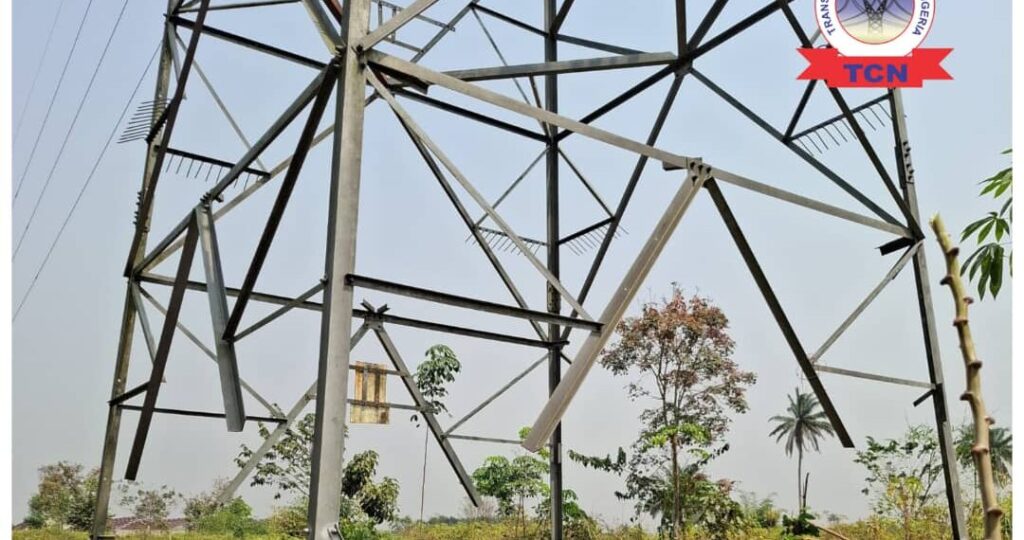
The Transmission Company of Nigeria (TCN) has announced a scheduled electricity disruption that will affect large parts of the Federal Capital Territory (FCT) for more than two weeks, beginning October 28, 2025.
According to the advisory circulated by TCN and amplified across social media, the planned maintenance will lead to daily power outages in residential and commercial areas including Apo, Lokogoma, Guzape, Asokoro, Wuye, Utako, Jabi, and Idu — with blackout windows scheduled primarily during daytime hours.
Reason for the Outage
TCN says the outages are necessary to carry out critical transmission line repairs and upgrade works intended to enhance the stability and capacity of the grid serving the FCT.
The company framed the disruption as preventative, explaining that the maintenance aims to reduce the frequency of unplanned blackouts and improve the long-term reliability of power supply once the works are completed.
Public Reaction
However, the timing and extended duration of the planned work have prompted swift pushback from residents, businesses, and market operators who say even short interruptions can impose steep costs on commerce and daily life in the capital.
Practical Implications
The impact is expected to be wide-ranging:
- Hospitals, clinics, and health centres that rely on grid power must verify backup generator capacity and fuel reserves.
- Electronic businesses, fintech hubs, cold-chain operators, and restaurants may face increased operating costs and potential revenue loss.
- For households, the outage may increase dependence on petrol generators — raising air pollution and fuel expenditure at a time when fuel prices remain volatile.
- Small businesses have also warned of potential job disruptions if outages significantly affect sales.
Expert Recommendations
Experts recommend several mitigation steps for affected stakeholders:
- Businesses should stagger production hours and coordinate staffing to match supply windows.
- Critical facilities should test and service backup generators and UPS systems immediately.
- Residents should plan for refrigerated food safety and consider short-term alternative arrangements.
- Community associations should engage directly with TCN and the FCT administration to request detailed timelines and contingency support for vulnerable institutions.
Broader Implications
Beyond immediate inconvenience, the episode highlights structural challenges in Nigeria’s power sector — including:
- Under-investment in transmission infrastructure
- Lengthy procurement and project execution timelines
- The social cost of maintenance schedules that often conflict with commercial activity
Looking Ahead
If handled transparently — with clear timetables, emergency support for hospitals, and targeted compensation for affected businesses — the maintenance could yield long-term benefits.
However, if communication and mitigation fall short, public trust in utilities and regulators may face further erosion.