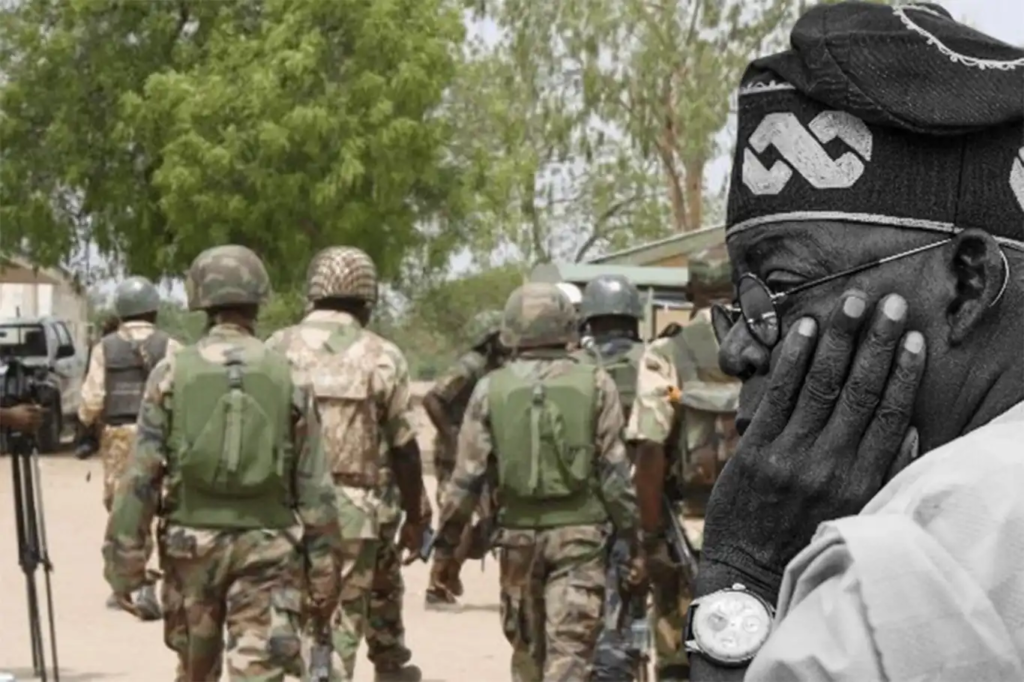
Nigeria’s military has carried out a high-profile operation in Abuja, reportedly raiding the residence of former Bayelsa State Governor and ex-Minister of State for Petroleum Resources, Timipre Sylva, and detaining at least one family member as part of an expanding investigation into an alleged coup plot, multiple news outlets report.
The operation has added a combustible political dimension to ongoing inquiries into suspected security threats targeting the Nigerian state. SaharaReporters and other outlets say a “special military team” entered Sylva’s Abuja residence in the highbrow Maitama district, with sources indicating the former governor was not on the premises at the time.
Reports state that Sylva’s younger brother, Paga — who reportedly served as Sylva’s Special Assistant on Domestic Affairs — and the family driver were taken into custody for questioning.
Background and Intelligence Links
The operation is said to follow intelligence linking senior military suspects to meetings with civilian actors alleged to have been engaged in plotting an overthrow.
The Defence Headquarters and the Presidency have issued cautious statements, stressing that the military and security services are conducting due process and that investigations remain ongoing.
At the same time, the government’s response has raised questions about transparency in the probe and the legal framework being used to detain civilians or relatives of public figures.
Public and Legal Concerns
Observers caution that operations blending intelligence and arrest powers must respect due process and avoid fuelling political vendettas.
The broader context is politically delicate. Allegations of attempted coups resonate strongly in Nigeria’s history and can rapidly polarise public opinion.
For Timipre Sylva — a former governor with national visibility and connections in elite circles — the allegations risk entangling civil-military relations in partisan contestation.
Legal experts warn that detentions must be promptly followed by clear charges or release to avert accusations of arbitrary arrest.
Conversely, security officials argue that such operations are sometimes necessary to pre-empt threats and secure the state.
Possible Implications and Next Steps
- If charges are brought against civilians or ex-officials, the judiciary will face pressure to manage highly politicised proceedings impartially.
- The military must carefully document the chain of custody and evidence to sustain prosecutorial cases and respond to human-rights scrutiny.
- Political actors may weaponise the investigation for advantage, further complicating reconciliation efforts.
- International partners monitoring Nigeria’s stability will likely demand transparency and legal safeguards.
For now, the story remains fluid, as authorities signal further questioning and possible additional detentions while the probe continues.