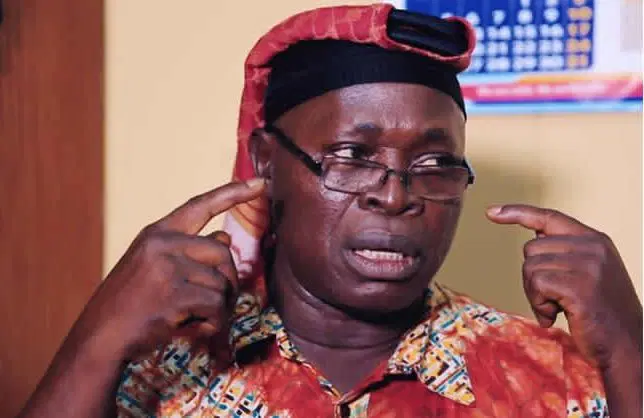
The religious climate in Nigeria took a sharp turn this week as the Muslim Rights Concern (MURIC) publicly accused the Christian Association of Nigeria (CAN) of “betraying” President Tinubu despite his administration’s purported inclusivity. The allegations come amid intense discussions about Nigeria’s image abroad and recent U.S. criticism of Nigeria’s religious-freedom record.
MURIC’s leader, Professor Ishaq Akintola, asserted that numerous petitions submitted by Christian bodies to the U.S. painted a distorted picture of Nigeria and damaged the federal government’s international standing. According to MURIC, CAN failed to challenge these narratives and tacitly approved them, a move described as disloyal given Tinubu’s inclusive appointments. CAN, for its part, has not issued a detailed public response as of this writing.
The saga deepens religious fractures at a time when interfaith cooperation is widely seen as vital to national stability. Analysts warn the public spat may fuel mistrust between religious groups, and could distract from the more pressing issues of communal violence and national security.
This tension is nested within a larger context: Nigeria is already grappling with civil unrest, political unrest, and global scrutiny over human-rights issues. The Sikh of internal religious leadership squabbles may erode unified national responses to those challenges.