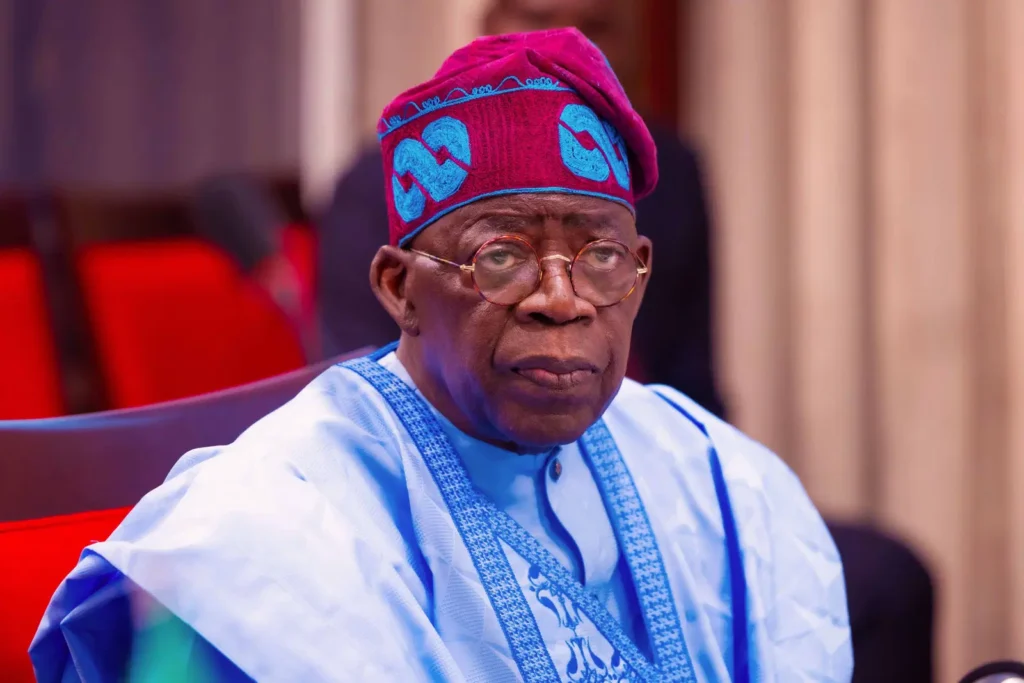
President Bola Ahmed Tinubu has declared a national state of emergency following a wave of genocide allegations that have drawn global attention and sparked domestic outrage. The declaration, made after an emergency National Security Council meeting in Abuja, marks one of the most decisive moves by the administration since it came to power.
In a televised address, President Tinubu said the decision was aimed at “restoring peace, order, and national cohesion,” particularly in states affected by violent communal and religious clashes. He emphasised that “no part of Nigeria will be allowed to descend into anarchy,” warning that perpetrators of violence, regardless of ethnicity or religion, would face the full weight of the law.
The President’s announcement comes in the wake of allegations of genocide raised by international human-rights organisations, which have accused local and state authorities of failing to protect vulnerable communities in parts of the Middle Belt and North-West. The reports have ignited fierce debate within Nigeria and abroad, with foreign governments calling for independent investigations.
Tinubu dismissed claims of targeted killings, describing them as “gross exaggerations designed to destabilise the nation.” However, he acknowledged that “persistent insecurity and social division demand urgent and extraordinary measures.” Under the state of emergency directive, military and police deployments will be increased across volatile regions, curfews may be imposed where necessary, and humanitarian corridors will be established to protect civilians.
Reactions to the declaration have been mixed. Supporters applaud the move as a strong signal of leadership, saying it demonstrates the administration’s resolve to confront insecurity head-on. Critics, however, caution that emergency powers must not be abused or used to silence dissent. Civil rights groups have demanded strict parliamentary oversight to prevent human rights violations.
Security experts argue that the declaration could help stabilise affected areas if properly implemented, but warn that a military-only approach may not solve deep-rooted ethnic and economic tensions. They call for parallel social interventions, including disarmament, community dialogue, and investment in rural development, to address the root causes of violence.
International observers, including the United Nations and the African Union, are closely monitoring Nigeria’s response. Diplomatic sources say several Western capitals have expressed concern over the allegations but remain supportive of Nigeria’s sovereignty and right to manage its internal affairs responsibly.
For President Tinubu, the stakes are high. The state of emergency could either consolidate his leadership as a crisis manager or expose his administration to further scrutiny if abuses occur under the directive. As Nigeria navigates this tense period, the world will be watching whether security operations translate into lasting peace or further controversy.