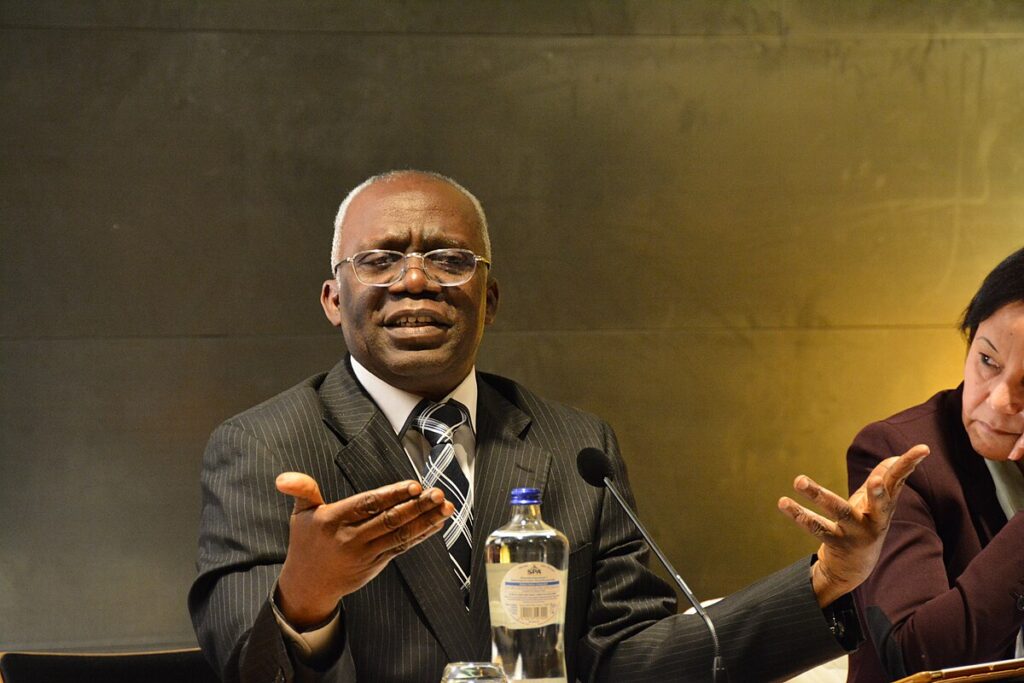
Renowned human-rights lawyer Femi Falana (SAN) has accused U.S. President Donald Trump of “spreading dangerous falsehoods” about alleged mass killings of Christians in Nigeria, describing the claims as “politically motivated propaganda” detached from verified facts.
Falana’s remarks came after Trump reiterated allegations of genocide against Nigerian Christians during a public rally in Texas, vowing to take “serious action” if re-elected. The statement quickly gained global traction, prompting outrage in Nigeria.
In a press conference in Lagos, Falana said Trump’s comments were reckless and could inflame religious divisions. “No credible international body has declared a genocide in Nigeria. The security situation is dire, but it is not a Christian persecution campaign,” he said.
He challenged U.S. agencies and global watchdogs to produce evidence supporting the claim. “Facts must guide diplomacy, not political theatre,” Falana added.
Falana also accused Western media of bias, saying their framing of Nigerian conflicts often ignores the roles of poverty, climate change, and governance failure. “By presenting these crises as religious wars, they trivialise real structural issues and risk inciting sectarian violence,” he warned.
The senior advocate urged the Nigerian government to respond more assertively through diplomatic and legal channels. He proposed that Nigeria file a formal protest note to the United Nations and seek clarification from the U.S. government regarding Trump’s claims.
Civil society groups and religious leaders have backed Falana’s position, praising his defence of Nigeria’s sovereignty. However, some advocacy organisations argue that while Trump’s language may be exaggerated, it draws attention to real cases of religious intolerance that need investigation.
For Falana, the issue goes beyond rhetoric. “This is about truth, law, and respect for facts,” he said. “Nigeria must not allow foreign politicians to exploit our pain for political mileage.” His comments have reignited conversation on how African nations can manage their image in a global information space dominated by foreign narratives.