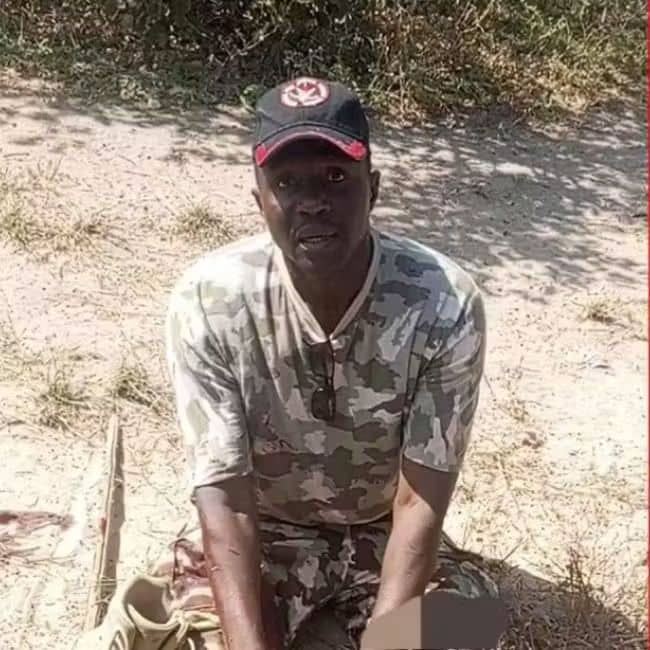
Nigeria’s security sector was thrown into confusion and outrage on Wednesday after ISWAP terrorists released a gruesome video showing the execution of a missing Brigade Commander hours after the Nigerian Army announced that the officer had safely returned to base.
The shocking development has intensified scrutiny on military communication, intelligence accuracy, and the handling of missing personnel during counterterrorism operations. Nigerians expressed disbelief that such a high-ranking officer could disappear, be declared safe, and later be confirmed dead at the hands of terrorists.
The commander, whose identity the military withheld pending notification of family, reportedly went missing after an ambush on troops in the northeastern theatre. Initial reports suggested he was separated from his unit during heavy gunfire but was making his way back using secondary routes.
In a statement released earlier, Defence Headquarters claimed the officer had returned safely to base, a message that brought momentary relief to the military community and the public. However, ISWAP shattered that narrative by releasing a video showing the officer in captivity shortly before executing him.
The contradiction between the military’s earlier announcement and the terrorists’ footage has ignited heated debate across social media, with many Nigerians demanding answers. Critics argue that the military either acted on faulty intelligence, rushed to reassure the public, or attempted to control the narrative without confirming critical details.
Security experts say the incident highlights deeper challenges in Nigeria’s counterterrorism campaign, including communication gaps, inadequate surveillance, and limited technological support in conflict zones where insurgents often maintain better knowledge of the terrain.
Beyond the military implications, the execution has triggered emotional reactions nationwide. Many Nigerians expressed heartbreak over the commander’s fate, questioning how terrorists continue to operate with such confidence despite years of military operations and billions spent on equipment and strategy.
The government has pledged to investigate the misinformation and intensify operations against ISWAP cells responsible for the attack. But analysts argue that unless Nigeria strengthens real-time intelligence, improves troop welfare, and addresses morale issues, insurgents will continue to exploit weaknesses.
Meanwhile, families of soldiers deployed in the Northeast have taken to social media to express fear and uncertainty about the safety of their loved ones. For many, the incident represents yet another reminder of the high cost of Nigeria’s long-running insurgency.
The tragic death of the commander is expected to shift public pressure onto the military leadership as Nigerians demand transparency, accountability, and measurable improvements in Nigeria’s decade-long fight against ISWAP and Boko Haram.