
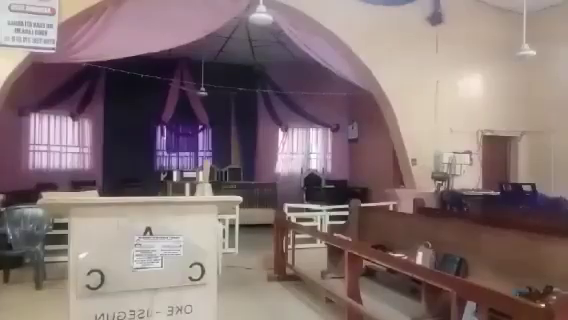
Kwara State was thrown into deep mourning this week following a brutal attack on a local church that left several worshippers dead and many others critically injured. The assault, which occurred during an evening service in a rural part of Kaiama Local Government Area, has revived concerns about rising insecurity in communities previously considered relatively peaceful. As families grieve and the state grapples with the aftermath, the incident has sparked new conversations about preparedness, intelligence sharing, and the capacity of security forces to prevent such attacks.
Eyewitnesses say the gunmen stormed the church on motorcycles and immediately began firing indiscriminately at worshippers who had gathered for a midweek programme. Survivors describe scenes of chaos—screaming congregants rushing for the exits, children trampled in the confusion, and gunmen appearing determined to cause maximum casualties. Several worshippers sustained gunshot wounds, while others were struck by shattered glass and debris.
Emergency responders and community volunteers worked through the night to evacuate victims to nearby hospitals, many of which reported shortages of blood, medical personnel, and emergency supplies. Residents also opened their doors to fleeing survivors, offering first aid, transport, and emotional support as the scale of the tragedy became clear.
Although security agencies have launched investigations, residents say the region had been receiving threats for weeks, with reports of strange movements around local farmlands and forest routes. Community leaders claim they alerted authorities but received no prompt action. This has ignited fresh anger, with citizens accusing security operatives of complacency and slow response to early warning signals.
The Kwara State Government condemned the attack, calling it “barbaric and unacceptable.” The governor promised increased patrols, deployment of security operatives, and support for the families who lost loved ones. Still, many locals remain skeptical, noting that promises have been made repeatedly in the past without significant improvement in safety.
Despite the tragedy, the community has demonstrated remarkable unity. Youth groups have mobilised for neighbourhood watch operations, while women’s associations have begun organising vigils and prayer gatherings at the scene of the attack. Religious leaders from both Christian and Muslim communities jointly visited the affected church to show solidarity, an act many described as a powerful reminder of Kwara’s long-standing interfaith cooperation.
Security experts warn that the incident reflects a broader pattern of attacks spreading into previously untouched communities. They further argue that as armed groups face pressure in the Northwest, they are dispersing into other regions, including the North-Central zone.
Humanitarian groups have also arrived to provide material assistance and trauma counselling, especially for children who witnessed the violence. Psychologists say early intervention is crucial, as untreated trauma can lead to long-term emotional and behavioural challenges. As the investigation progresses, residents demand accountability not just for the attackers but for the state institutions tasked with keeping them safe. Their message is clear: while the community’s resilience is admirable, resilience alone cannot substitute for effective security.