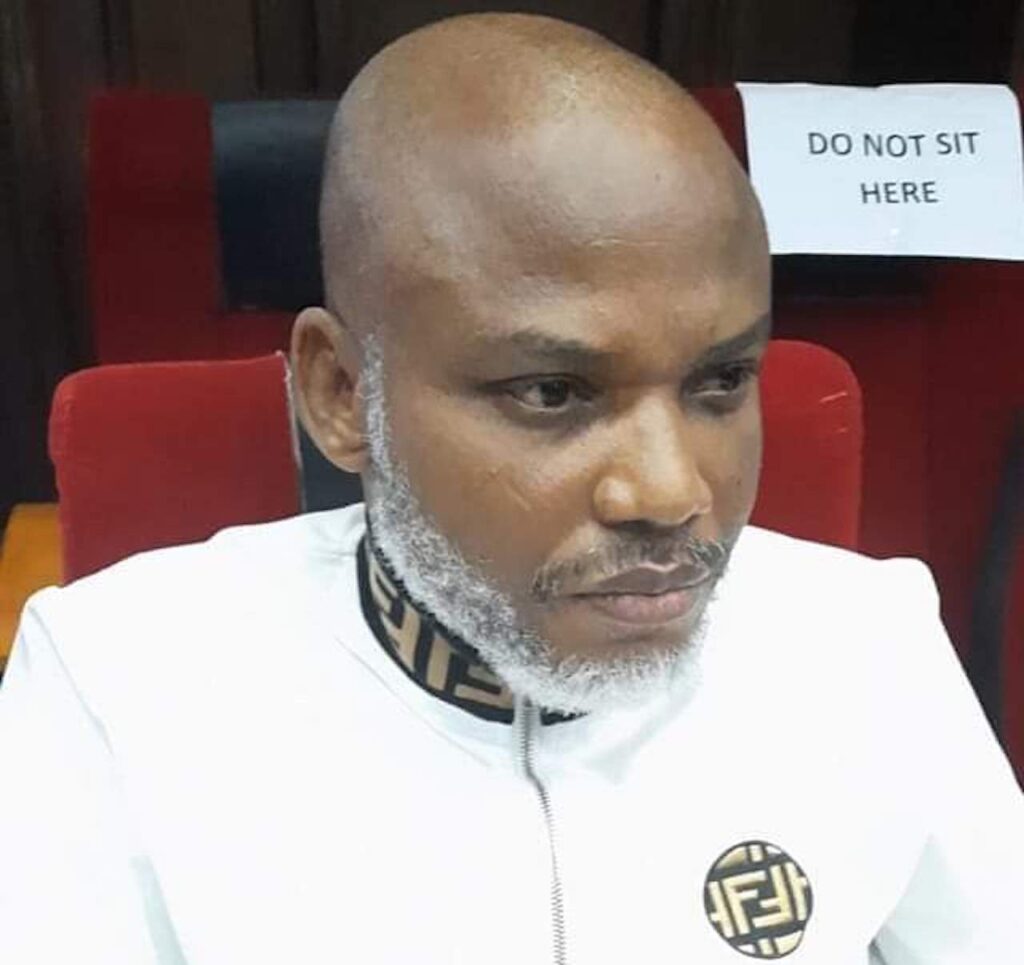
In a bold new legal move, Ify Kanu, the wife of convicted IPOB leader Nnamdi Kanu, has filed an appeal challenging the legality and fairness of his recent terrorism sentencing. In her petition, she argues that the trial violated both national and international legal standards and that the sentencing undermines fundamental rights and the rule of law in Nigeria.
Nnamdi Kanu was sentenced to life imprisonment in connection with terrorism-related charges. Now, Ify Kanu’s legal team contends that multiple procedural irregularities marred his trial from start to finish ranging from concerns over jurisdiction to claims of unlawful rendition.
“We are not just defending my husband’s life; we are defending due process, justice, and the very principle that no person is above the law,” Ify Kanu told her lawyers during a recent media briefing.
Her lawyers assert that vital evidence was mishandled, that some witnesses were coerced, and that critical Supreme Court decisions relating to Nnamdi Kanu’s prior appellate victories were ignored. Ify is also urging international bodies to review his case, suggesting that external pressure may be necessary to secure a fair hearing.
The appeal has ignited national debate. Supporters see her move as a legitimate call for justice and due process. Critics, however, argue that the legal pathway has been exhausted and that Kanu’s conviction represents accountability after years of controversy.
Legal experts are divided. Some believe the appeal may succeed in reopening significant legal questions, particularly around rendition and the right to a fair trial. Others are less optimistic, citing the sensitivity of national security cases and the courts’ historical deference to government positions in such matters.
For many in the South-East, Ify Kanu’s fight resonates deeply. Her effort is viewed by sympathizers as symbolizing resistance against perceived persecution; to detractors, it’s a continuation of political agitation under the guise of legal challenge. As the appeal moves to higher courts, all eyes will be on how Nigeria’s judicial institutions handle one of the most polarising figures in modern Nigerian politics.