
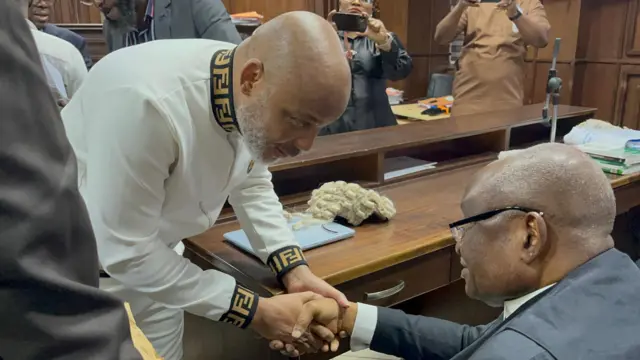
Nnamdi Kanu, the leader of the Indigenous People of Biafra (IPOB), has reportedly been barred from participating in certain prison privileges at Kuje Correctional Centre, following a directive citing “high security risk.” Officials in Abuja say the decision was taken to prevent any attempt at prison-based mobilization or symbolic rallying.
Sources indicate that Kanu’s movement within the correctional facility has been further restricted. He has reportedly been placed in a specially guarded wing, with limited interaction with other inmates and stricter surveillance. Some security operatives claim there are real concerns that his status as a political detainee could attract undue influence—even from within the prison.
Kuje Correctional Centre, often at the centre of high-profile detainee controversies, has been under scrutiny for how it handles political prisoners. This latest move, according to prison insiders, reflects heightened sensitivity around Kanu’s profile and the risk of his trial becoming a rallying point for supporters.
Critics argue that the restriction raises serious questions about prisoners’ rights and the egalitarian application of correctional policies. Human rights advocates warn of potential abuses, calling for transparent justifications and legal oversight to ensure that security concerns do not override incarcerated individuals’ fundamental rights.
On the other side, security analysts defend the move, pointing to Kanu’s capacity to inspire loyalty; he remains a charismatic figure with influence beyond the walls of his cell. They say the decision underscores the need to balance prisoner rights with broader public safety, especially given Nigeria’s fragile political faultlines.
IPOB supporters have condemned the restrictions, saying the government is using the prison system to suppress dissent. They argue that Kanu’s detention and any further restrictions are inherently political, and that his treatment could inflame tensions in the South-East.
As debates intensify, the judiciary faces another critical moment. Observers say any legal challenge to the prison’s decision could test the courts on issues of security, human rights, and political detention.