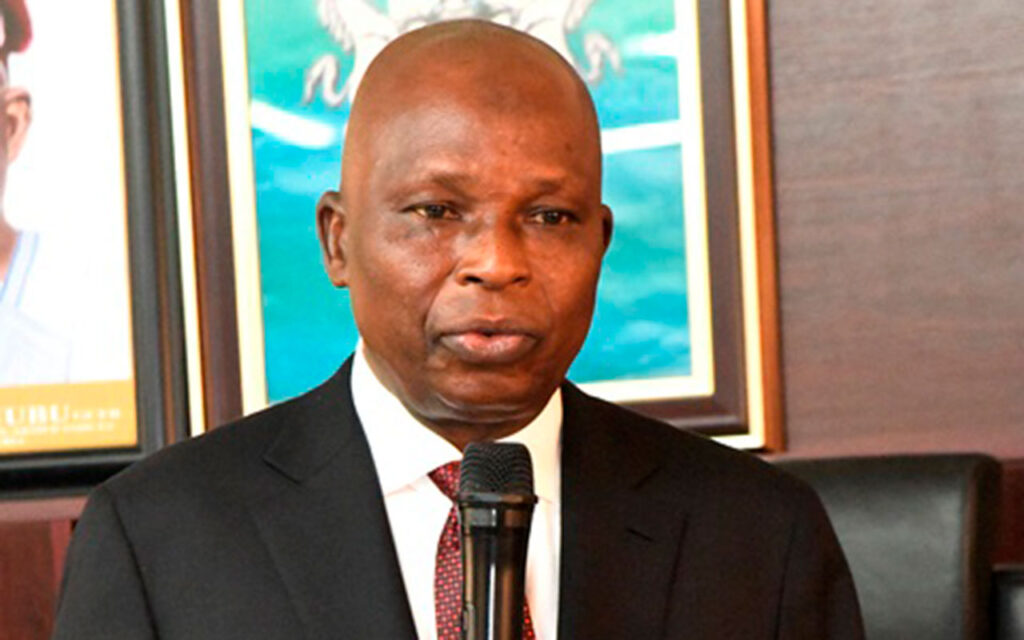
Attorney-General of the Federation, Lateef Fagbemi, SAN, has firmly stated that claims of Christian genocide in Nigeria are exaggerated, misleading, and politically motivated. His remarks come at a time when Nigeria faces global pressure, especially from Western lawmakers pushing inquiries into religion-based attacks.
Fagbemi argued that Nigeria’s security challenges affect people of all faiths. He described the genocide claims as an oversimplification that undermines national unity and distorts the complex realities driving violent conflict in the country. According to him, Muslims in northern states have suffered devastating losses to the same terrorist groups.
The AGF criticised international groups for relying on selective data and emotional narratives that ignore the broader context of Nigeria’s insecurity, which includes banditry, climate-related conflicts, and criminal militias operating across multiple ethnic and religious communities.
Still, religious organisations remain unconvinced. Many Christian groups insist that they suffer disproportionate targeting in regions like southern Kaduna, Plateau, Benue, and Taraba. They cite repeated attacks on churches, Christian communities, and clergy as evidence of a pattern deserving global intervention.
Security analysts say both sides have valid points. While the violence is undeniably widespread, certain communities, Christian and Muslim, experience targeted attacks due to ethnic disputes, land clashes, or extremist ideologies.
Fagbemi maintained that the Nigerian government is strengthening security architecture, increasing intelligence gathering, and enhancing community engagement. He added that external narratives painting Nigeria as a country committing genocide are harmful to diplomacy and could impact foreign aid, investment, and security cooperation. As global debates continue, Nigerians remain divided. Some see international scrutiny as necessary to pressure the government into stronger action. Others believe it is a strategic move by foreign powers to interfere in Nigeria’s internal affairs.