
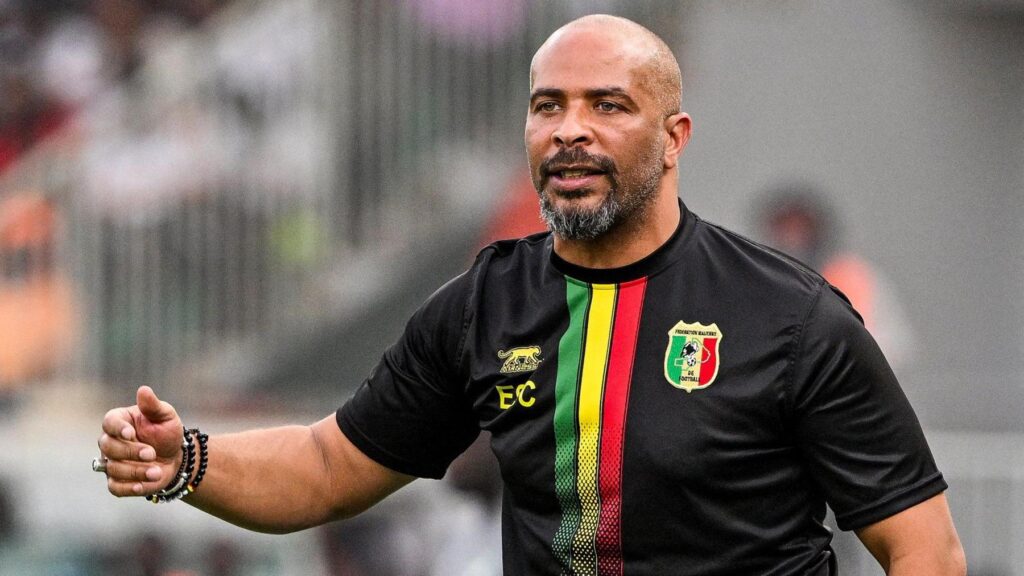
Nigeria’s exit from the ongoing FIFA World Cup qualifiers has taken a dramatic turn as popular media personality, Chelle, stirred nationwide controversy after alleging that “voodoo and spiritual manipulation” contributed to the Super Eagles’ unexpected elimination. Her remarks, which surfaced during a viral Instagram livestream, have triggered heated debate among fans, analysts, and cultural commentators, with many calling for clarity on whether her claims relate to internal sabotage, spiritual warfare, or psychological pressure within the team’s environment.
Chelle, known for her bold commentary on national issues, expressed deep frustration over the team’s performance, insisting that “something beyond football” influenced the defeat. She argued that the patterns witnessed in recent Super Eagles matches missed obvious chances, last-minute collapses, and unexplained tactical blunders suggested more than physical or technical failure. According to her, “the energy around the team was off,” a phrasing that fans across social platforms interpreted as an insinuation of supernatural interference.
The topic quickly shot up Nigeria’s trending lists, with thousands weighing in. Some fans agreed, noting that African football history has occasional references to spiritual beliefs, psychological influences, and superstition elements that are woven into local culture. Others dismissed her claim as “emotional overreaction,” insisting that Nigeria’s exit was the direct result of administrative problems, inconsistent coaching, lack of discipline, and poor preparation.
Sports analysts have repeatedly warned that structural weaknesses, not the supernatural, remain Nigeria’s biggest threat. From unpaid allowances and leadership instability to tactical confusion, fitness issues, and last-minute squad changes, experts argue the team lacked the technical edge needed to compete at the highest level. Some believe Chelle’s comments reflect a broader sentiment: frustration not just at the loss, but at recurring national patterns of mismanagement.
However, cultural experts also note that her comments resonate because many Nigerians see a blend of culture and spirituality in daily life. Football, with its emotional roots and mass appeal, often inherits these interpretations. When outcomes defy expectations, people turn to deeper explanations.
As expected, the Nigerian Football Federation (NFF) has ignored the claims entirely, focusing instead on reviewing technical reports and deliberating on the future of the coaching crew. Calls for restructuring the Super Eagles’ administration have intensified, with many insisting that football must return to grassroots development and long-term planning if the country hopes to reclaim its global standing.
Chelle later clarified that her remarks were based on “patterns she observed” and not a direct accusation against any specific person or institution. She emphasized that Nigerians deserve transparency, discipline, and accountability in sports, especially in high-stakes competitions like the World Cup. Despite the controversy, one thing is clear: Chelle’s spiritual-angle commentary has tapped into a deep emotional wound among fans who expected Nigeria to qualify comfortably. Her claims highlight not only the passionate relationship between Nigerians and football but also the urgent need for a holistic review of the systems governing the nation’s most beloved sport.