
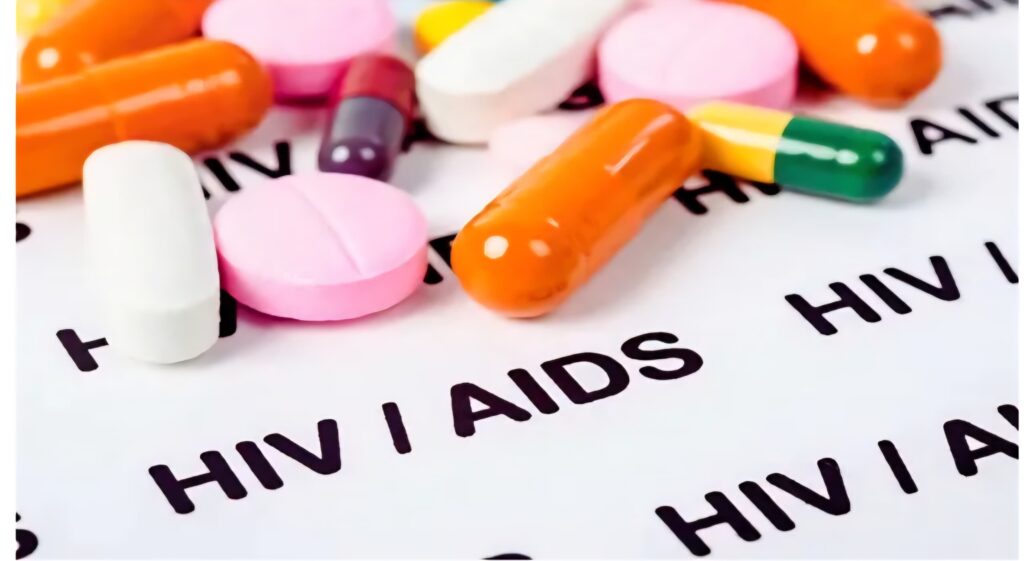
In a strategic push toward achieving pharmaceutical sovereignty and bolstering its health security, the Federal Government of Nigeria has set an ambitious target of 2026 for the full local production of Antiretroviral (ARV) drugs used in the treatment of HIV/AIDS. This initiative represents a profound commitment to self-reliance, aiming to drastically reduce the nation’s dependence on foreign aid and imported medicines, which currently cost the country billions of Naira annually and leave the treatment of over 1.9 million Nigerians vulnerable to global supply chain disruptions. The move is a pivotal component of the nation’s broader plan to indigenise essential drug manufacturing and enhance the affordability and accessibility of life-saving medications.
The reliance on imported ARVs has been a persistent challenge for Nigeria’s HIV response. While global partnerships, particularly through initiatives like PEPFAR and the Global Fund, have been instrumental in ensuring a stable supply of free drugs, this foreign dependency carries geopolitical risks and economic instability. The COVID-19 pandemic severely exposed the fragility of the global pharmaceutical supply chain, motivating the Nigerian government to prioritise local capacity building. The 2026 target is therefore a strategic response, designed to ensure that the treatment continuum for Persons Living with HIV (PLHIV) remains uninterrupted, irrespective of international trade or donor politics.
Key agencies driving this initiative include the National Agency for the Control of AIDS (NACA), in collaboration with the Pharmaceutical Manufacturers Group of the Manufacturers Association of Nigeria (PMG-MAN) and the National Agency for Food and Drug Administration and Control (NAFDAC). The plan involves critical investments in local pharmaceutical companies, providing incentives, facilitating technology transfer, and ensuring that manufacturers meet the stringent international standards required for ARV production, including World Health Organisation (WHO) pre-qualification. This emphasis on quality control is vital to guarantee that locally produced drugs are therapeutically equivalent to their imported counterparts.
Beyond health security, the economic implications of the 2026 target are vast. Local production will stimulate the domestic pharmaceutical industry, create high-skilled employment opportunities, and save substantial foreign exchange that would otherwise be spent on imports. The initiative is set to integrate backward linkages, encouraging local research and development, and potentially positioning Nigeria as a regional hub for pharmaceutical manufacturing and export across the Economic Community of West African States (ECOWAS). This economic diversification aligns with the Federal Government’s agenda to promote non-oil sectors and develop a resilient, knowledge-based economy.
However, achieving the 2026 deadline faces significant hurdles. These include securing a consistent power supply for manufacturing facilities, attracting long-term, low-interest financing, and overcoming the high costs associated with acquiring Active Pharmaceutical Ingredients (APIs), which are still largely imported. Additionally, protecting local manufacturers from stiff international competition, especially from established Asian markets, will require supportive fiscal policies and robust local procurement mandates. The government’s success will ultimately depend on its ability to sustain political commitment, ensure regulatory efficiency, and provide a stable operating environment that allows local pharmaceutical companies to thrive and meet the exacting quality standards required for ARV production on a massive scale. The 2026 target is a symbol of Nigeria’s ambition not just to control the epidemic, but to claim its place as a healthcare leader in Africa.