
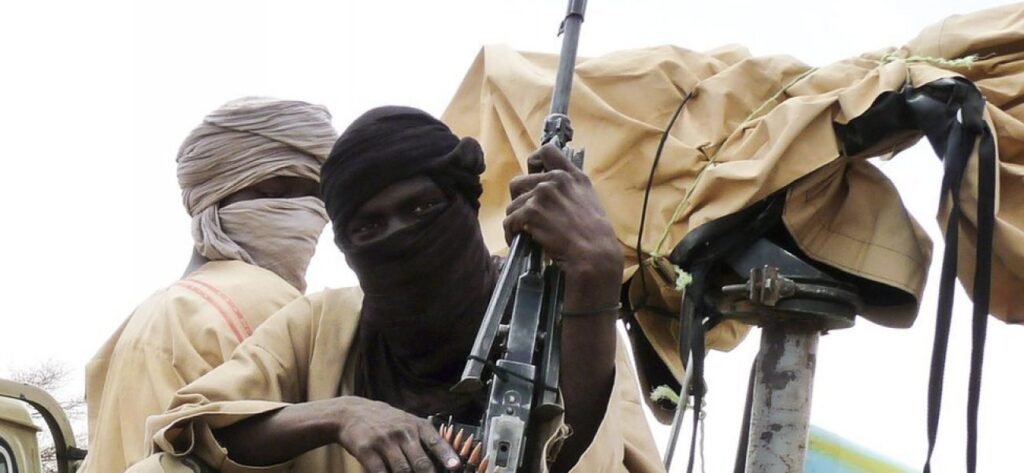
Nigeria is reeling from another devastating surge in kidnappings, as at least 145 people were abducted within a span of four days across Kaduna, Kebbi, Niger, and Zamfara States. The coordinated attacks targeting schools, road travellers, farmers, and rural communities have reignited widespread fear and reinforced public concern that bandits and terror groups are regaining momentum after months of relative quiet.
The most shocking incident occurred in Niger State, where armed men stormed a boarding school in Rafi Local Government Area, kidnapping dozens of students from their dormitories. Parents rushed to the school upon receiving distress calls, only to discover empty hostels, scattered footwear, and abandoned textbooks grim reminders of the students’ frantic attempt to escape.
In Kaduna State, gunmen intercepted commercial buses along the Birnin Gwari highway, abducting passengers after firing warning shots into the air. Many motorists abandoned their vehicles and fled into the bush. Villagers say the attackers operated for more than 45 minutes without challenge from security operatives.
Zamfara and Kebbi states also recorded their own tragedies, with farmers abducted from fields and traders taken from local markets. Community leaders say the scale and coordination suggest a revival of major bandit networks displaced during previous military operations.
Security analysts attribute the resurgence to multiple factors: weakened rural policing, reduced aerial surveillance due to budget constraints, and the reorganisation of criminal groups who took advantage of the rainy season to regroup. Analysts also warn that Nigeria’s kidnapping economy estimated at trillions over the last decade has become too lucrative, drawing more criminal recruits.
Families of victims are traumatised. Videos online show parents sobbing uncontrollably, pleading for government intervention. Some say they do not have the money to meet ransom demands and fear their loved ones may never return. Schools in high-risk areas have suspended academic activities, while traders along affected highways now close early or avoid travel altogether.
State governments have issued statements condemning the attacks, but many Nigerians say condemnations are no longer enough. They are demanding sustained military presence, rapid response teams, and deployment of surveillance technology. Civil society organisations insist the federal government must treat mass abductions as a national emergency, not an isolated series of incidents.
International observers are also monitoring the situation closely. Nigeria’s global reputation continues to be affected by frequent kidnappings, which impact investment, tourism, and diplomatic relations. The return of mass abductions signals a dangerous phase in Nigeria’s insecurity crisis one that threatens education, agriculture, trade, and the basic sense of safety in rural communities. Without decisive action, experts warn, more mass kidnappings may occur in the coming weeks.