
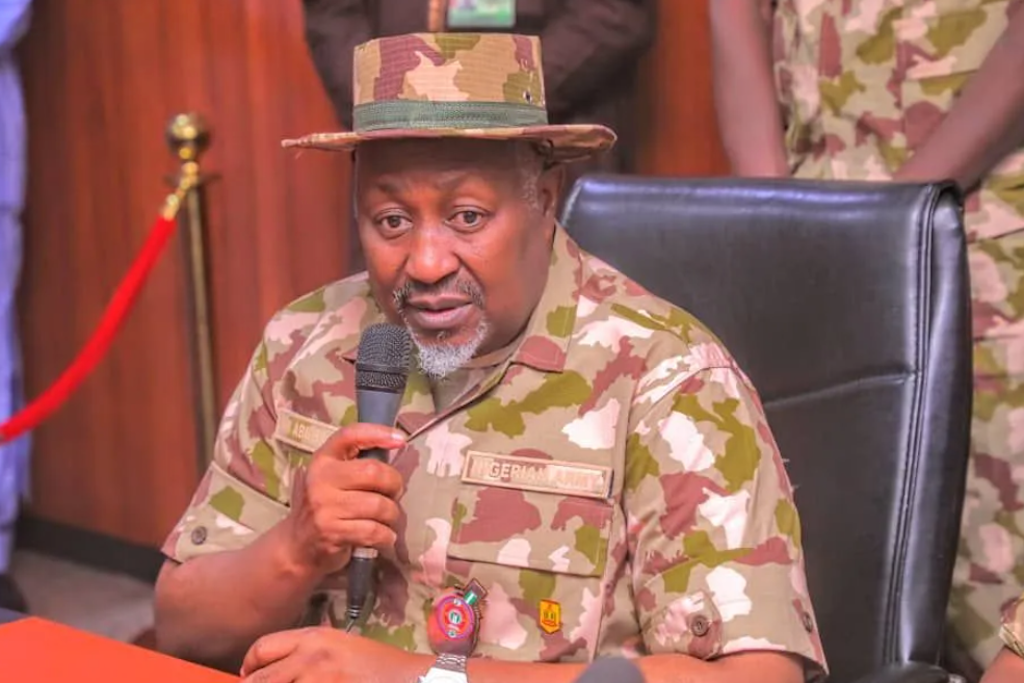
Nigeria’s Minister of Defence is facing mounting criticism from lawmakers, civil society organisations, and citizens as insecurity worsens across the country. From mass abductions to terrorist attacks, armed robbery, and banditry, Nigerians say the Minister has failed to demonstrate a coherent strategy or deliver tangible results in curbing nationwide violence.
The latest wave of anger was triggered by multiple high-profile incidents: mass kidnappings across several states, deadly attacks on rural communities, and rising casualties among security agencies. Critics argue that despite massive defence budgets, security outcomes continue to deteriorate.
In the National Assembly, lawmakers expressed frustration over what they described as “unending excuses” from defence authorities. Some senators demanded a full security audit, while others called for the Minister to resign if he could not produce a clear roadmap for reducing violence.
Civil society groups have also intensified pressure, accusing the Defence Ministry of poor coordination with intelligence agencies, weak troop morale, and failure to adapt to the evolving tactics of armed groups. Many point out that terrorists now operate with drones, encrypted communications, and sophisticated weapons, outmatching rural security formations.
Experts say Nigeria’s security challenges persist because of structural issues: slow response times, over-centralisation of command, corruption in procurement, and logistics failures. Soldiers in remote areas often complain about inadequate equipment, delayed salaries, and insufficient support.
The Defence Minister, however, argues that progress is being made. In recent statements, he pointed to ongoing military operations in the North-West, North-Central, and North-East. Yet Nigerians say these operations have not translated into improved safety, as attacks remain frequent and deadly.
Public trust in government security institutions is at an all-time low. Many rural communities now depend on vigilantes for protection, a situation analysts describe as dangerous and unsustainable.
Security analysts warn that unless the Defence Ministry undertakes major reforms, including improved surveillance, community collaboration, welfare for soldiers, and modernised equipment the problems will persist.
For now, Nigerians wait for visible results.