
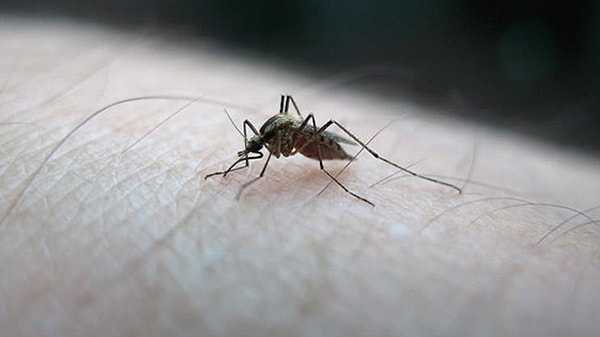
In what scientists are calling a historic environmental milestone, mosquitoes have been officially detected in Iceland for the first time — marking the end of the island’s long-standing reputation as mosquito-free. Researchers confirmed the discovery of three specimens of Culiseta annulata, a cold-tolerant mosquito species, in the Kjós region near Reykjavik.
The finding has raised concerns among climate scientists, who link the phenomenon to rapid warming trends across Iceland. Studies indicate that the country’s temperatures are rising at nearly four times the rate of the Northern Hemisphere average, creating conditions that could allow mosquito species to survive and reproduce for the first time in recorded history.
Experts describe the discovery as a small but significant warning signal. While Culiseta annulata is not a major transmitter of diseases in colder regions, its presence in Iceland highlights how climate change is altering ecological boundaries that once served as natural defenses against disease-carrying insects.
According to environmental researchers, sustained temperature increases and milder winters could soon enable other mosquito species — including those capable of spreading illnesses — to expand northward, challenging traditional public health and biodiversity systems.
The development has sparked a call to action among environmental advocates and climate experts, who urge governments and international agencies to step up vector surveillance, cross-border research cooperation, and adaptation strategies in vulnerable regions. They argue that Iceland’s mosquito appearance should be seen not as an isolated event but as part of a global chain reaction triggered by climate shifts.
For tropical nations such as Nigeria, where mosquito-borne diseases like malaria and dengue already pose major health threats, experts warn that climate change could intensify transmission patterns and create new vector pathways. The Icelandic case, they say, serves as a reminder that no region is entirely immune from the cascading effects of a warming planet.
As scientists continue to monitor Iceland’s mosquito population, many see the event as a symbolic climate domino — a subtle yet powerful sign that once-secure environmental frontiers are beginning to crack.