
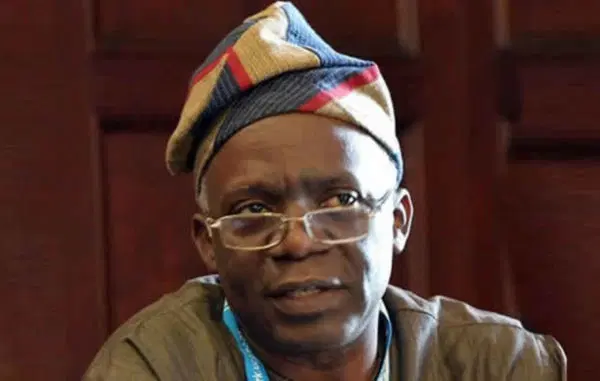
New findings reveal that Nigerians paid a jaw-dropping N2.23 trillion in ransom payments over the past 12 months—an amount that experts say rivals the budgets of several states combined and demonstrates the severity of Nigeria’s kidnapping epidemic. This revelation has triggered national outrage and prompted prominent human rights lawyer Femi Falana, SAN, to advise victims to file lawsuits compelling the Federal Government to refund ransoms paid due to its failure to protect citizens.
Speaking at a national security forum, Falana argued that Nigeria’s Constitution obligates the government to safeguard lives and property. When it fails in this responsibility, he said, and citizens are forced to pay ransom for their own survival, the government bears legal liability. Falana insisted that victims should pursue damages through public interest litigation to hold the state accountable.
The N2.23 trillion figure highlights the transformation of kidnapping from a criminal activity into a booming industry. What began as isolated incidents has become a nationwide shadow economy, with armed groups using ransom funds to purchase weapons, recruit informants, and expand operational networks. In many rural communities, kidnapping is now more profitable than farming or trade.
Families recount harrowing stories of selling land, withdrawing life savings, and borrowing from neighbours to raise ransom. Some victims have been killed even after payments were made. Others return traumatised, suffering from PTSD, malnutrition, and physical assault.
Security analysts say the sheer scale of ransom payments reveals the weakness of Nigeria’s security institutions. Many fear that if urgent reforms are not implemented, ransom payments could surpass N3 trillion within a year, fuelling further instability.
The Federal Government has not officially responded to Falana’s proposal, but several lawmakers have hinted at reviewing it. Critics, however, argue that refunding ransom payments may be financially impossible and could unintentionally encourage more ransom payments in the future. Still, rights groups insist that legal pressure is necessary to push the government into serious security reform.
Economists warn that ransom payments distort local economies, discourage investment, and worsen Nigeria’s inflation crisis. As more families liquidate assets to pay kidnappers, communities fall deeper into poverty, a trend that undermines national development.
Civil society groups have since backed Falana’s call for legal action, saying Nigerians cannot continue to bear the burden of a government that fails to provide basic security. Many are also demanding a comprehensive overhaul of policing, including the establishment of state police, rural surveillance systems, and community intelligence networks. For now, the N2.23 trillion revelation stands as one of the starkest indicators of Nigeria’s deepening insecurity and the urgent need for structural reforms.