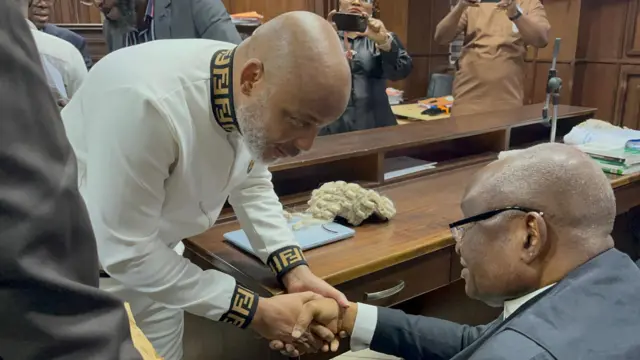
Detained Indigenous People of Biafra (IPOB) leader Nnamdi Kanu has reportedly written to U.S. President Donald Trump, appealing for diplomatic and moral intervention ahead of his terrorism trial scheduled for November 5.
In the letter, obtained by journalists through Kanu’s legal team, the separatist leader thanked Trump for his recent comments on religious persecution in Nigeria but urged him to verify information before acting on “misleading political reports.”
Kanu expressed confidence that his movement represents “peaceful self-determination” rather than terrorism. “We seek freedom through dialogue and democratic principles, not violence,” the letter stated.
Sources close to his legal team confirmed that Kanu held a strategy meeting in Abuja this week with his lawyers to finalise defence submissions and witness lists ahead of the resumed hearing. Lead counsel Aloy Ejimakor said the meeting was “crucial to ensure our client’s constitutional rights are upheld.”
The Federal Government has maintained its charges against Kanu, accusing him of treasonable felony, incitement, and terrorism. However, the IPOB leader insists the charges are politically motivated and a violation of international law.
Kanu’s outreach to Trump signals a broader attempt to internationalise his case. Analysts say it also reflects an awareness of the shifting global narrative as foreign politicians increasingly comment on Nigeria’s internal affairs.
Supporters of Kanu in the diaspora have also intensified advocacy efforts, calling on the U.S. Congress and United Nations to monitor his trial. In parts of the South-East, IPOB members have organised prayer vigils ahead of the court date, urging “justice and divine intervention.”
Legal observers note that while Kanu’s appeal to Trump may have symbolic weight, direct U.S. interference remains unlikely. Nonetheless, the correspondence amplifies pressure on Abuja to ensure transparency during proceedings.
For Nigeria’s judiciary, the case remains a defining test of independence and adherence to rule of law amid global attention. Whether or not Kanu’s outreach bears fruit, his trial continues to serve as a focal point in Nigeria’s complex struggle between unity, justice, and identity.