
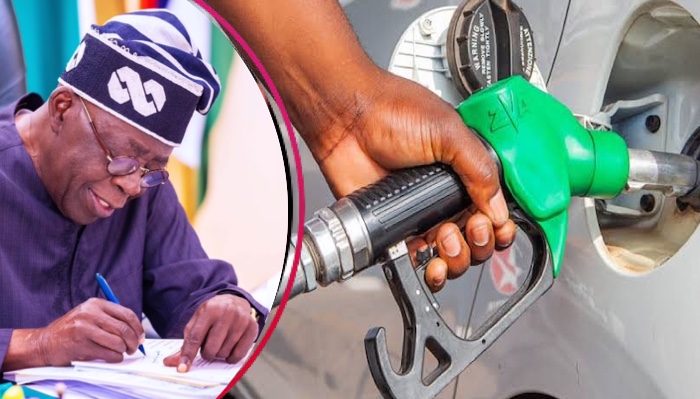
The cost of petrol in Nigeria has crossed the ₦1,000 per litre mark in several states following the Federal Government’s approval of a 15% import tariff on refined fuel products.
According to data from independent marketers, the new tariff policy — approved by President Tinubu on the recommendation of the Ministry of Finance — has triggered price adjustments by major and independent oil marketers. The move is aimed at encouraging domestic refining, particularly as the Dangote Refinery and Port Harcourt Refinery ramp up operations.
While government officials argue that the policy will boost local refining capacity and reduce import dependency, Nigerians are already feeling the pinch. Transportation costs have surged nationwide, with commuters in Lagos, Abuja, and Port Harcourt paying up to 40% more in daily fares.
Economic analysts warn that without immediate relief measures, the new tariff could further worsen inflation, which recently hit 33.5%. “The government is betting on refinery-driven self-sufficiency, but consumers are the short-term victims,” said economist Bismarck Rewane.
The Nigerian Labour Congress (NLC) has condemned the tariff, describing it as “a cruel blow to struggling citizens.” Meanwhile, the Federal Government maintains that the decision is necessary to stabilize forex outflows and strengthen Nigeria’s fiscal position.