
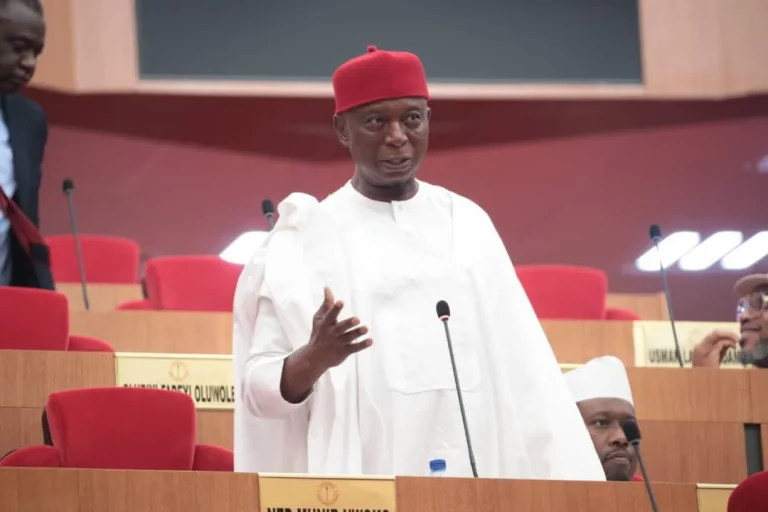
Senator Ned Nwoko has publicly denounced the continued detention of Indigenous People of Biafra (IPOB) leader Nnamdi Kanu, accusing the federal government of leveraging the case to punish Igbo political expression and perpetuate the marginalisation of southeastern communities.
Nwoko’s comments are part of intensified voices from the South-East and across the country decrying prolonged pre-trial custody and what they describe as politically motivated prosecutions.
Nwoko argued that Kanu’s incarceration has become a political instrument, deepening perceptions of ethnic bias and fueling agitation for redress among Igbo constituencies. His intervention follows months of high-profile court activity — including recent prosecution developments and adjournments — that have kept Kanu at the centre of national debate.
Regional Reactions and Broader Frustrations
Political analysts say Nwoko’s stance reflects a broader frustration in the region over perceived selective justice and the lingering trauma of historical marginalisation.
Supporters of Kanu and several community groups have endorsed calls for an expedited legal resolution, whether through fair trial proceedings, negotiated outcomes, or release if evidence is found wanting.
Opponents, however, caution against conflating legal processes with ethnic politics, arguing that the rule of law must prevail and that allegations of political targeting should be substantiated through transparent investigation.
Legal Complexities and National Implications
The legal record shows a complex litigation history involving multiple charges, witness testimony, and contested evidentiary issues — factors that complicate simple political readings.
The issue carries national implications. Continued detentions tied to high-profile separatist leadership have inflamed protest movements, prompted heavy security responses (including teargas and road blockades in Abuja and other cities), and placed pressure on judicial and executive institutions to demonstrate impartiality.
Observers warn that unaddressed perceptions of injustice can erode national cohesion and complicate efforts to build trust in democratic institutions.
Looking Ahead: Dialogue and Legal Resolution
What is clear is that voices like Ned Nwoko’s will shape the political conversation in the months ahead.
Whether calls for review, judicial reform, or political dialogue will gain traction depends on actions by the judiciary, the federal government’s willingness to engage regional stakeholders, and the broader public’s appetite for de-escalation.
For many in the South-East, a lasting resolution will require credible legal outcomes, sincere political outreach, and policies that address long-standing grievances.