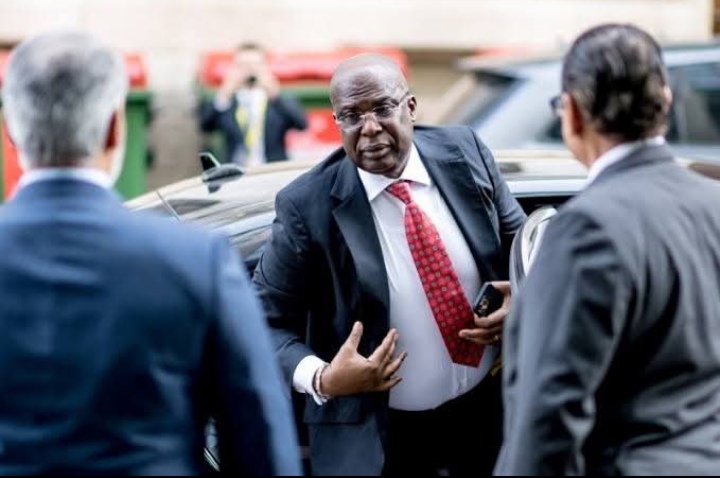
Multiple reports indicate that former Bayelsa State Governor and ex-Minister of State for Petroleum Resources, Timipre Sylva, has left the country amid expanding probes into an alleged coup plot that has seen military raids and several detentions.
Sources close to the investigation say Sylva suspended plans to return to Nigeria after learning of the raid on his Abuja residence and the arrest of family associates. Other outlets suggest he departed via regional corridors once the investigation became public.
Impact on the Investigation
Flight by a suspect or person of interest in the midst of a national security probe complicates the investigative process.
For law enforcement and military agencies, the immediate priorities now shift to:
- Establishing an evidence base of any alleged involvement
- Coordinating with immigration and border controls
- Seeking INTERPOL or bilateral cooperation if necessary
- Ensuring that those remaining in the country are properly processed under rule-of-law standards
For Sylva, his absence from the jurisdiction raises legal questions about voluntary cooperation, bail conditions (if any), and possible diplomatic options the state might pursue.
Political Reactions and Optics
Politically, Sylva’s flight is likely to be leveraged by both critics and supporters.
- Opponents may frame it as a tacit admission of involvement or guilt.
- Allies could argue that the move reflects fear of politically motivated persecution or a breakdown in due process.
The optics will be crucial. The government must balance operational secrecy with timely public communication to demonstrate proportionality and legality in the investigation. Meanwhile, the opposition is expected to press for judicial redress to prevent arbitrary or extrajudicial measures.
International Dimensions
Internationally, the departure of a high-profile former minister complicates bilateral relationships.
If Sylva is located abroad, diplomatic channels — including visa revocation, travel restrictions, or extradition requests — may be considered. However, these steps require documented allegations and solid legal grounds.
For Nigeria, the episode underscores the need for clear legal frameworks governing investigations that intersect national security, politics, and the rights of the accused, especially in cases involving cross-border movement.